
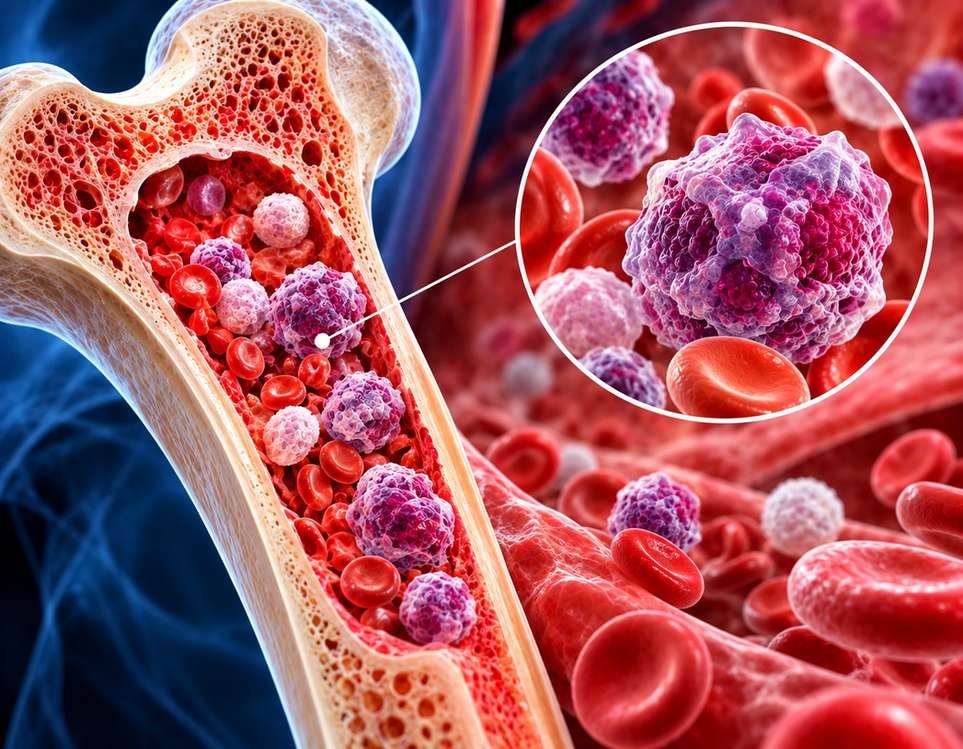
Chemotherapy
Combination medicines that destroy cancer cells in the blood and marrow, given in carefully monitored cycles.

Fill in your details and our care team will call you back shortly.
Comprehensive care for
Accurate diagnosis and modern treatment for leukaemia, lymphoma, myeloma and other blood disorders, with 24x7 blood bank and ICU support.
Blood cancer begins in the blood, bone marrow or lymph nodes, where abnormal cells grow out of control and crowd out healthy blood cells. It includes leukaemia, lymphoma and multiple myeloma, and each type behaves and is treated differently.
Our haemato-oncology team confirms the exact type with marrow, laboratory and imaging tests, then builds a treatment plan around your age, health and the biology of your disease. Blood components, infection control and ICU care are available round the clock.
Exact subtype confirmed with bone marrow and laboratory testing before treatment begins
In-house blood bank with round-the-clock component availability for transfusion support
Haematologists, medical, radiation oncologists and pathologists plan care together
Infection-control practices for patients with low immunity during chemotherapy
Advanced critical-care ICU with continuous specialist monitoring
Counselling, nutrition and family support through every phase of treatment
Choose an area to see how our team approaches it.
Acute and chronic leukaemias (AML, ALL, CML, CLL) diagnosed with marrow and molecular tests and treated with chemotherapy or targeted medicines.
Hodgkin and non-Hodgkin lymphoma, staged with biopsy and PET-CT and treated with chemo-immunotherapy, with radiotherapy where needed.
A cancer of plasma cells in the bone marrow, managed with modern combination therapy and bone-protecting care.
Bone marrow disorders that affect blood cell production, monitored and treated according to risk.
Anaemia, low platelets and other blood problems evaluated and supported with safe transfusions.
Your plan may use one or a combination of these, decided together by your care team.
Combination medicines that destroy cancer cells in the blood and marrow, given in carefully monitored cycles.
Tablets and infusions that act on specific abnormal proteins, such as tyrosine kinase inhibitors used in CML.
Antibody-based treatments that help the body recognise and attack lymphoma and leukaemia cells.
Focused radiation for selected lymphomas and for bone or lymph node disease that needs local control.
Where indicated, the team evaluates and plans stem cell (bone marrow) transplant as part of treatment.
Blood and platelet transfusions, antibiotics, nutrition and pain control to keep you strong through treatment.
These signs do not always mean cancer, but they should be checked by a doctor.
Early evaluation gives you more treatment options. Speak to a specialist today.
Accurate diagnosis and staging come first, so treatment is matched to your exact condition.
A simple blood test that can show abnormal cell counts and the first signs that more testing is needed.
A small sample of marrow is examined to confirm leukaemia, myeloma and other marrow diseases.
Laboratory tests that identify the exact cell type and gene changes, so treatment can be matched to your disease.
Confirms lymphoma and shows exactly which parts of the body are involved.
Serum protein tests, free light chains and kidney function checks used to diagnose and monitor myeloma.
CT, MRI, PET-CT and pathology are available in-house for faster reporting.
What to expect, from your first visit to long-term follow-up.
You meet the oncologist, share your history and reports, and ask every question you have.
The right tests confirm the diagnosis and show how far the disease has spread.
Specialists from every discipline agree on one plan, and your doctor explains it to you.
Surgery, medicines, radiation or a combination, with supportive care alongside.
Regular check-ups, rehabilitation and counselling to keep you well.
Experienced doctors who will guide your treatment.
Recovery journeys in our patients own words.
 Ankit Singh
 Sunita Singh
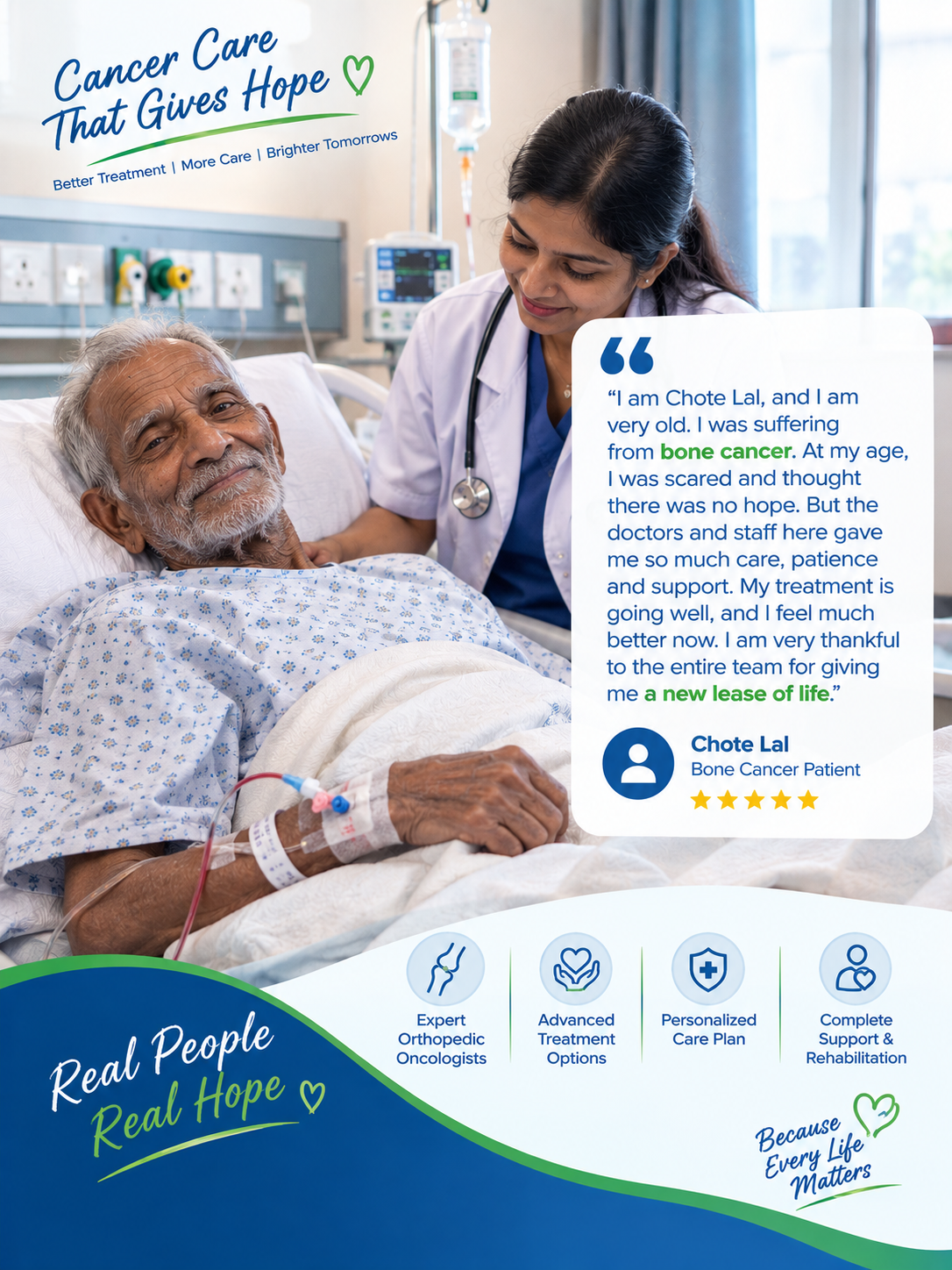 Chote Lal
 Nikeeta Singh
Straight answers to what patients and families ask most.
It depends on the type, the stage, your age and the genetic features of the disease. Many blood cancers are treatable and some can be cured, while others are controlled for many years. Your doctor can give you a realistic outlook once all tests are complete.
It is not contagious. Most cases are not inherited, although a few genetic conditions slightly raise the risk. Your doctor will tell you if family screening is advised.
A complete blood count can raise suspicion, but confirming blood cancer usually needs a bone marrow or lymph node biopsy and specialised tests.
No. Many patients are treated with medicines alone. Transplant is considered only for selected patients, depending on the disease type and how it responds.
No referral is needed. You can book an appointment directly through the enquiry form or by calling our helpline, and our care team will guide you on the next steps.