Endoscopic Resection
For very early cancers, removal through an endoscope without an open operation.

Fill in your details and our care team will call you back shortly.
Comprehensive care for
Comprehensive gastro-oncology care from endoscopy to complex GI surgery.
Stomach cancer remains a significant global health challenge, with its incidence occurring across different regions of the world. Despite having so advanced technology and treatments Doctors face numerous difficulties. However, organizations like the Karuna Cancer Centre are dedicating their whole hearted effort in developing innovative approaches to combat this disease, offering hope to patients worldwide.
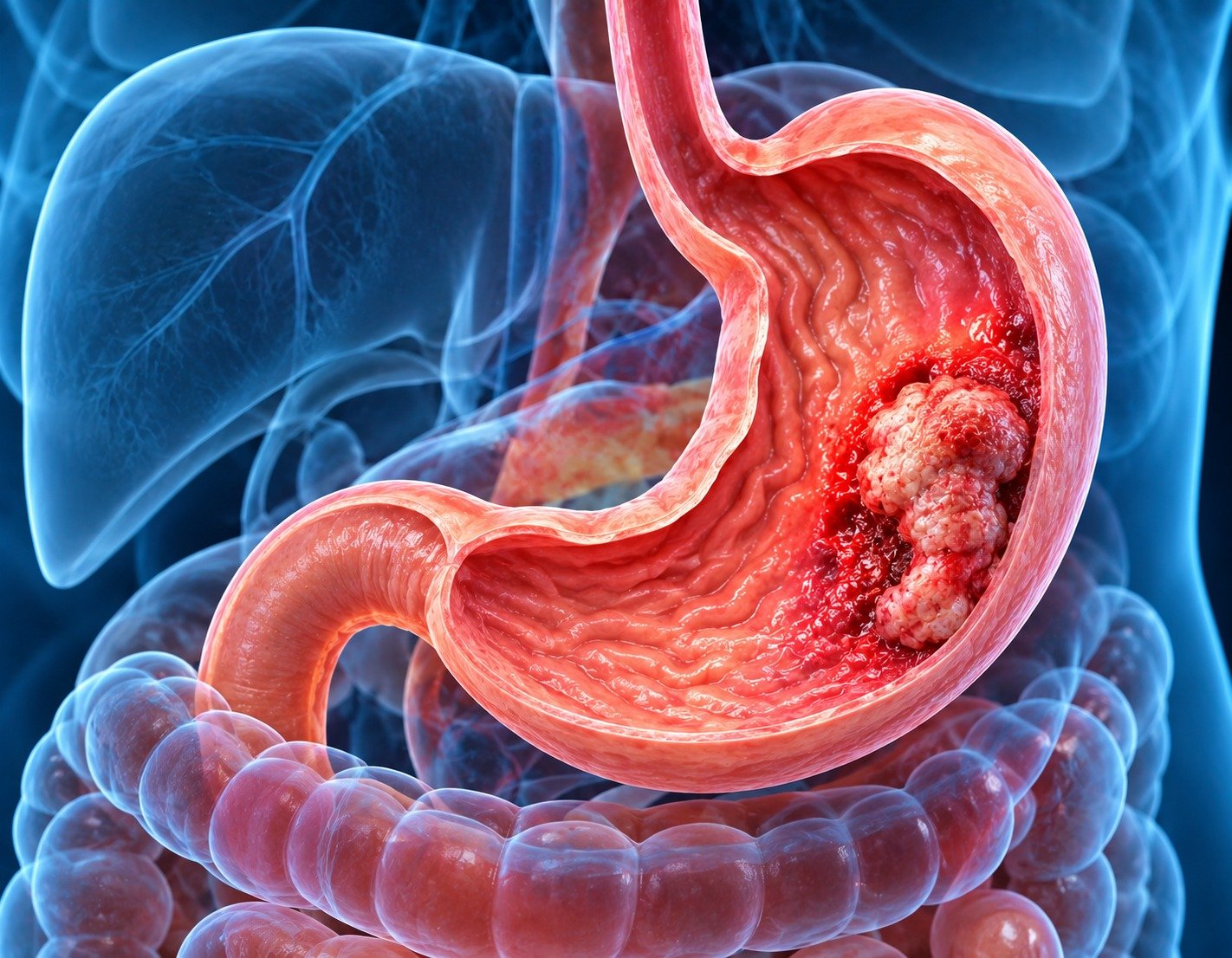
Stomach cancer also called Gastric cancer occurs when growth of cancerous cells form in the lining of the stomach these cells can become a tumor. This is a serious life-threatening disease that can show many symptoms and complications in the early stages, such as abdominal pain, or unintentional weight loss, nausea and vomiting, blood in the stool, feeling full even eating little It is known that factors such as genetics, diet, lifestyle, and infection with Helicobacter pylori promote stomach cancer in the human body.
There is no exact cause of but there are certain factors that increase the risk of developing this type of cancer. Here are given some common causes and risk factors:
While there is no guaranteed way to prevent stomach cancer but still there are certain lifestyle habits that can reduce the risk of developing the disease:
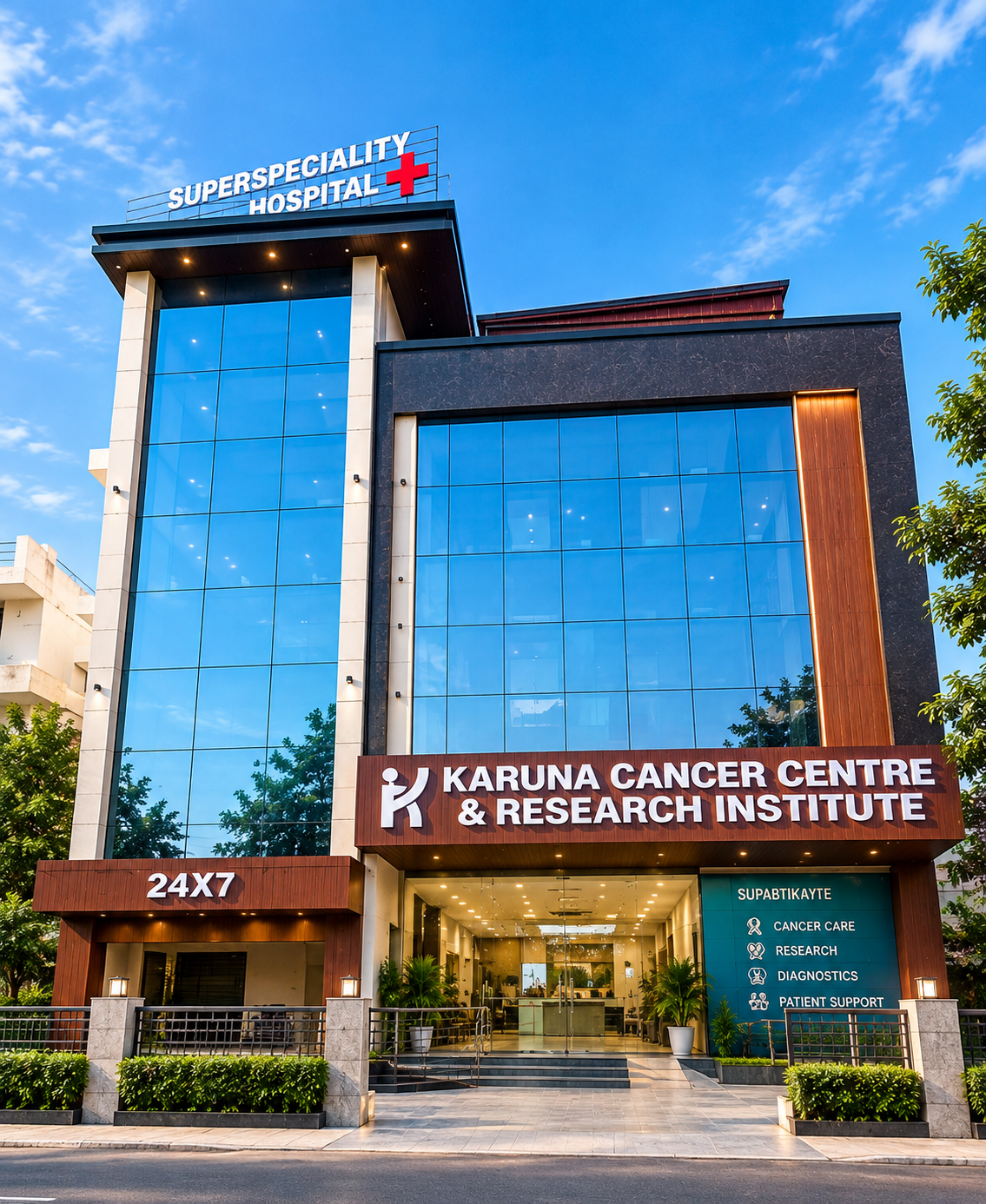
Stomach cancer specialists at Karuna Cancer Centre in Lucknow share a history of positive treatment and commitment to patients’ relief. They focus on giving patients the most advanced treatments and continuously upgrade themselves. Their holistic approach combines medical expertise with compassionate support, not just treating the physical side of illness but rather the emotional upliftment of patients and their families.
Tumour board where surgical, medical and radiation oncologists review every case together
Diagnosis, treatment and follow-up available under one roof
Personalised treatment plan based on the exact type and stage
24x7 emergency response, ICU and in-house blood bank
Compassionate, affordable care with a dedicated patient coordinator
Second opinions and regular follow-up visits explained in plain language
Choose an area to see how our team approaches it.
Partial and total stomach removal with careful reconstruction of the digestive tract.
Early detection and removal of very early lesions.
Chemotherapy, targeted therapy and immunotherapy.
Radiation for selected patients, alone or with chemotherapy.
Dietitians support eating and weight during and after treatment.
Your plan may use one or a combination of these, decided together by your care team.
For very early cancers, removal through an endoscope without an open operation.
Removal of part or all of the stomach with lymph node clearance.
Medicines before and after surgery to improve outcomes.
Used with chemotherapy in selected cases.
Options for advanced disease when tests show they can help.
These signs do not always mean cancer, but they should be checked by a doctor.
Early evaluation gives you more treatment options. Speak to a specialist today.
Accurate diagnosis and staging come first, so treatment is matched to your exact condition.
A camera examines the stomach and takes tissue for diagnosis.
Shows the size of the tumour and spread to nearby organs.
Measures how deep the tumour goes into the stomach wall.
Used in selected cases to check for hidden spread.
CT, MRI, PET-CT and pathology are available in-house for faster reporting.
What to expect, from your first visit to long-term follow-up.
You meet the oncologist, share your history and reports, and ask every question you have.
The right tests confirm the diagnosis and show how far the disease has spread.
Specialists from every discipline agree on one plan, and your doctor explains it to you.
Surgery, medicines, radiation or a combination, with supportive care alongside.
Regular check-ups, rehabilitation and counselling to keep you well.
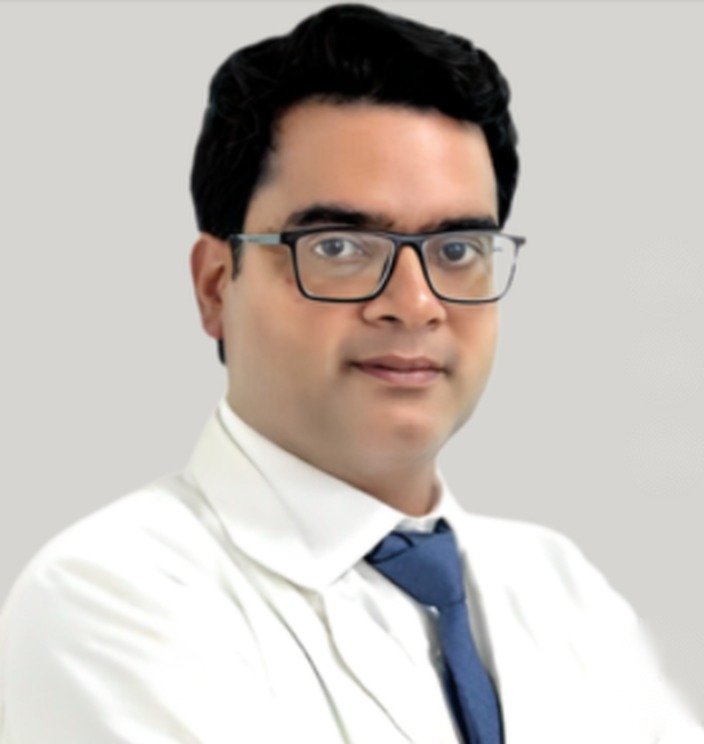
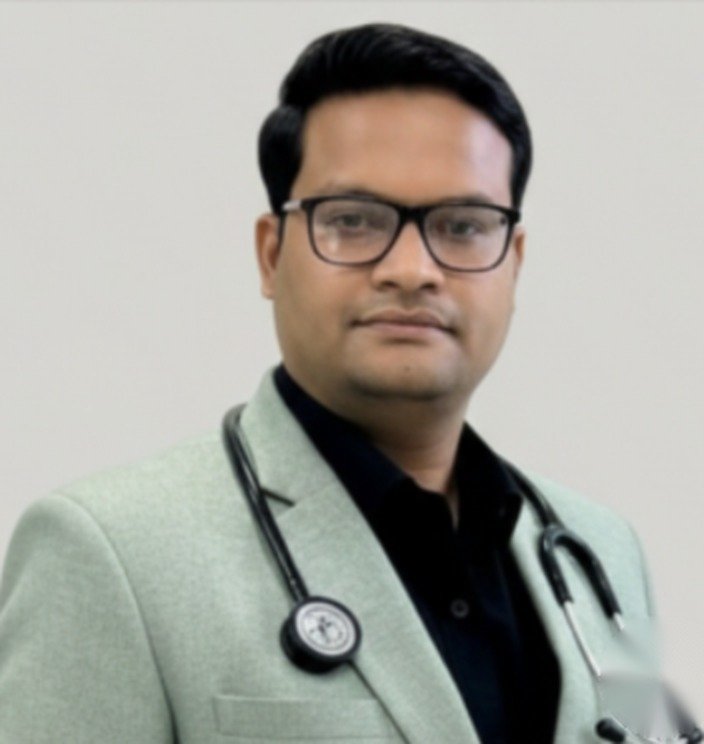
Experienced doctors who will guide your treatment.
Recovery journeys in our patients own words.
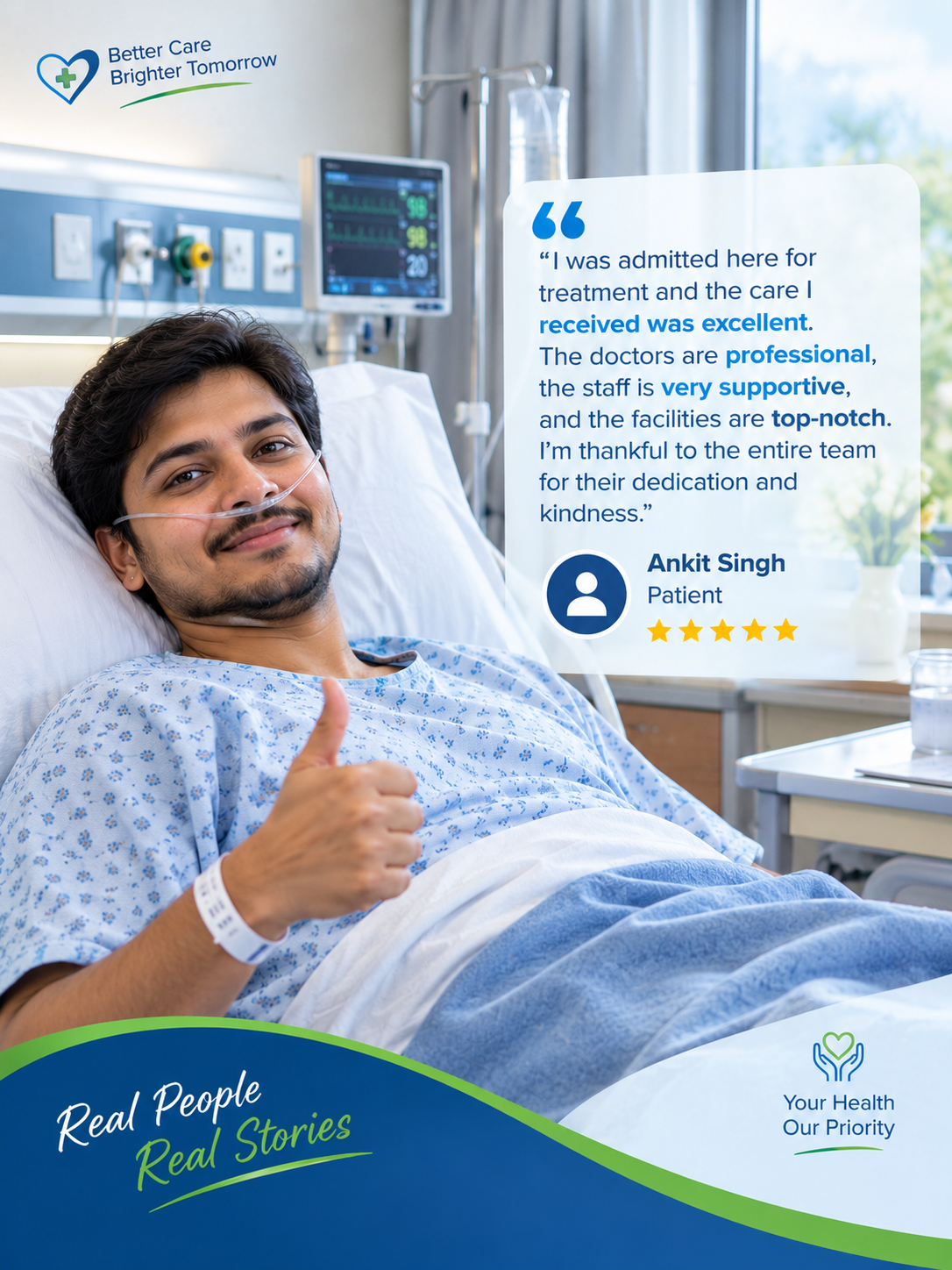 Ankit Singh
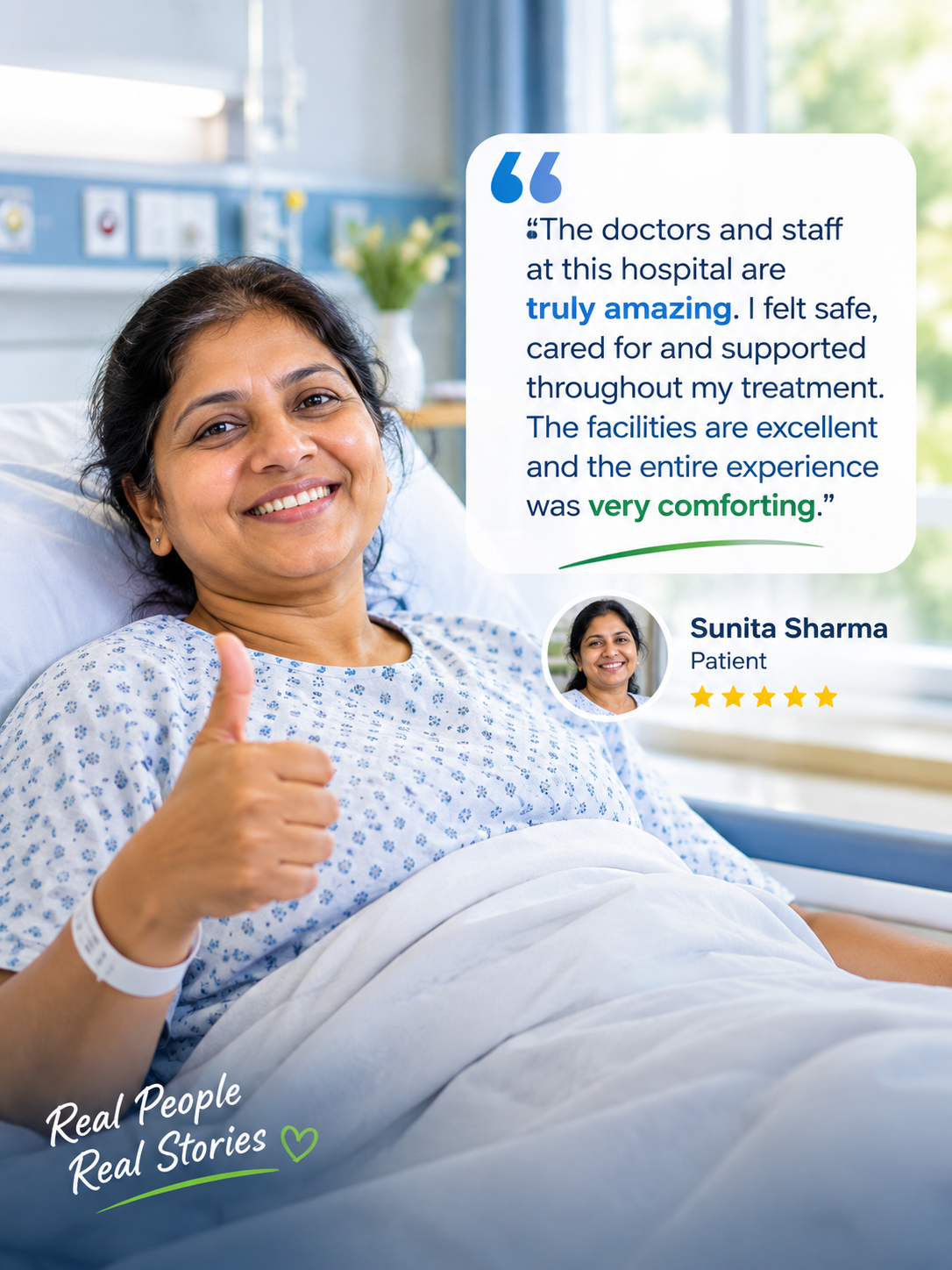 Sunita Singh
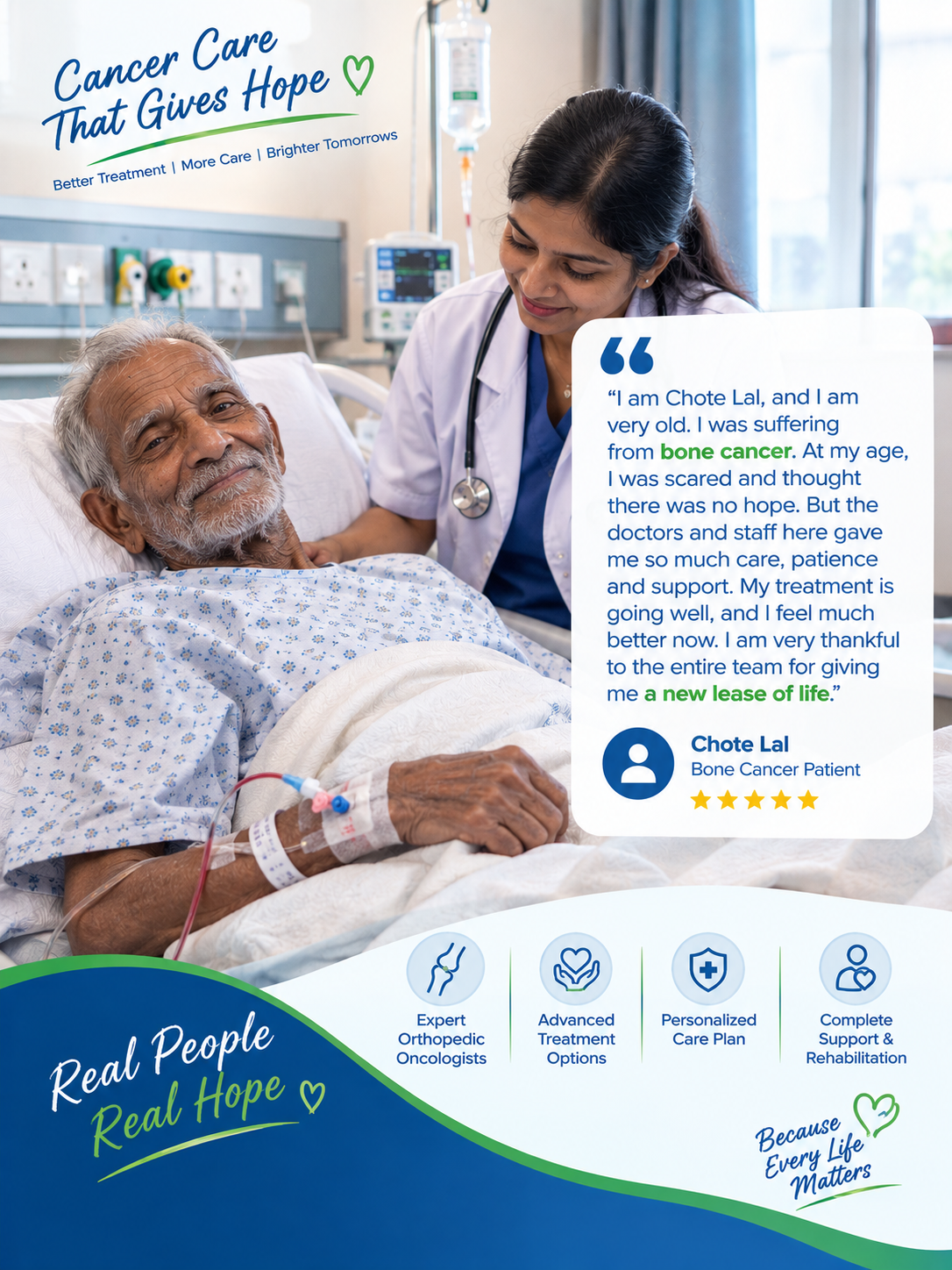 Chote Lal
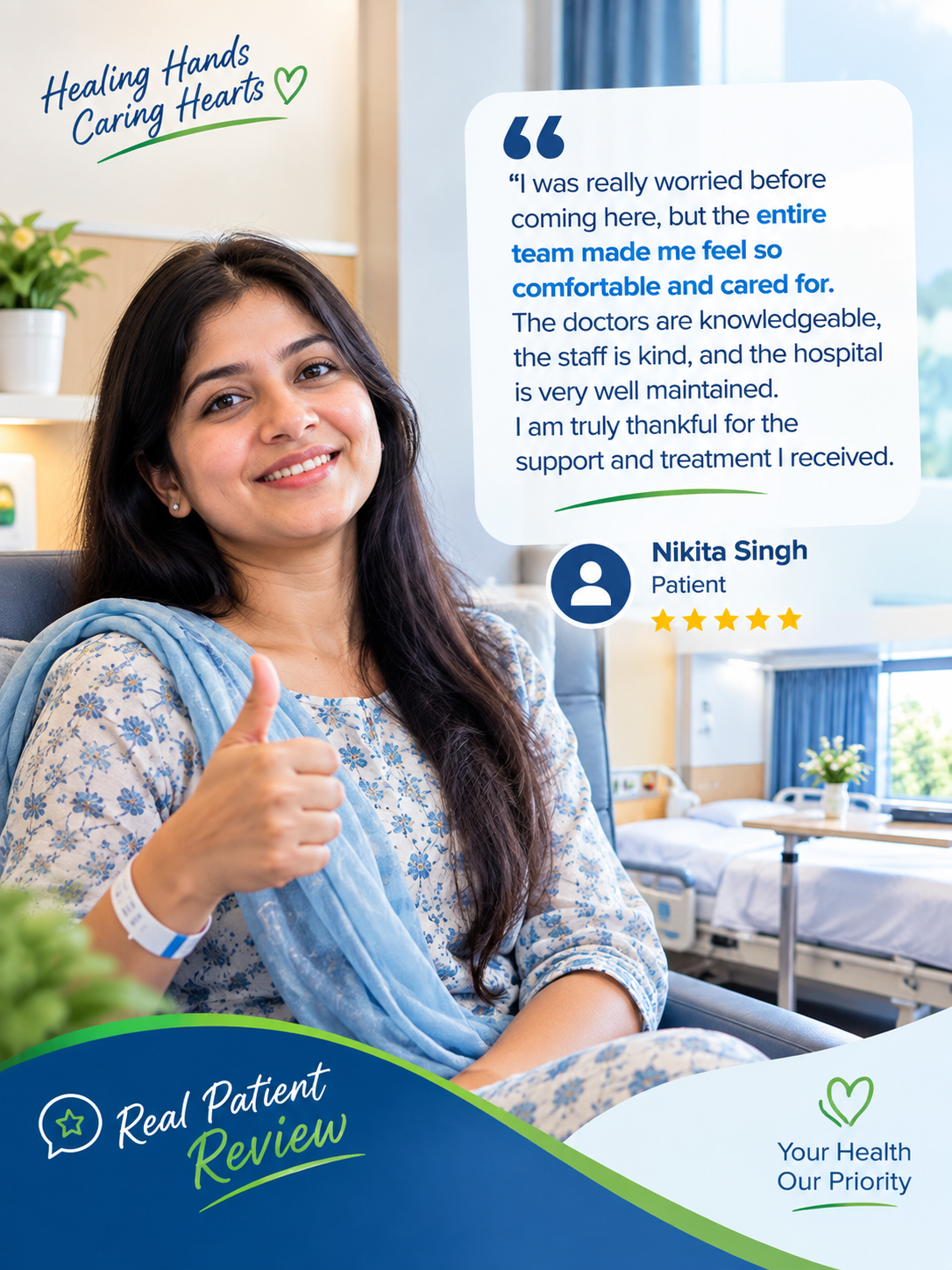 Nikeeta Singh
Straight answers to what patients and families ask most.
You will eat smaller, more frequent meals. Our dietitians guide you, and most patients adapt well over time.
Long-term infection raises the risk of stomach cancer. It can be treated with a short course of medicines.
Occasional indigestion is common. See a doctor if it lasts more than a few weeks or comes with weight loss, vomiting or blood.
No referral is needed. You can book an appointment directly through the enquiry form or by calling our helpline, and our care team will guide you on the next steps.
Fill in the enquiry form on this page or call us. Our patient care coordinator will call you back and fix a convenient time with the right specialist.