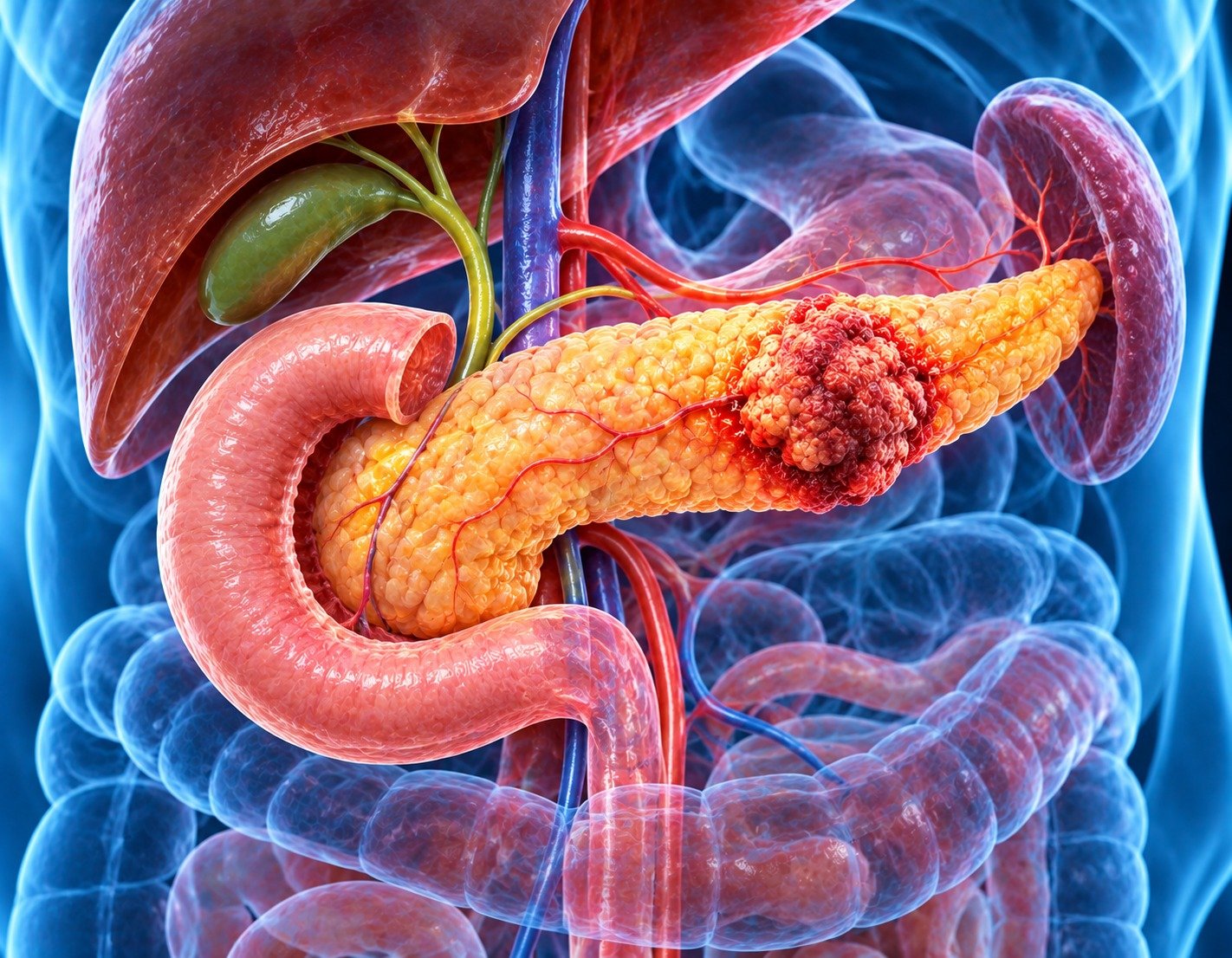
Whipple Procedure
Removes the head of the pancreas and nearby structures and reconnects the digestive tract.

Fill in your details and our care team will call you back shortly.
Comprehensive care for
Multidisciplinary management of pancreatic tumours with expert HPB surgeons.
Pancreas cancer is challenging to treat cancer because they are rare to identify when they are most treatable. This is due to the fact that they do not present symptoms until they have metastases to other organs.
To treat these types of cancer, you need Intricate treatment plans and a well-experienced oncologist. Karuna Cancer Care has the required expertise and in-depth knowledge to provide comprehensive pancreatic and bile duct cancer treatment in Lucknow, India.
The pancreas is a small pear-shaped organ which is about 6 inches long. It is behind the lower section of your stomach. It releases hormones that manage blood sugar and release enzymes that help digest and absorb nutrients from food.
The pancreas however can be affected by various tumors, both malignant and noncancerous.
This type of cancer develops in the pancreas. The pancreas is a small organ in the digestive system which is found behind the stomach. The pancreas releases hormones and enzymes to digest food.
cancer develops from exocrine cells, which madke up the pancreas’s exocrine gland and ducts. The exocrine gland secretes an enzyme that helps break down carbohydrates, fats and proteins.
The name will depend on the type of hormone-producing cell where cancer starts. Some examples include:
The cause of pancreatic cancer is unknown. Some aspects, such as smoking and having specific hereditary gene mutations, have been identified as potentially increasing the risk of this type of cancer.
For localized tumors that can be resected, surgery is the treatment of choice followed by adjuvant chemotherapy.
For borderline resectable Neoadjuvant chemotherapy for 4-6 months followed by surgery is preferred.
For unresectable or metastatic cancers, chemotherapy is the preferred option of treatment. In patients with molecular testing showing MSI-H / d-MMR Immunotherapy with Pembrolizumab can be considered.
Karuna Cancer Centre offers pancreatic cancer treatment in Lucknow, having a team of experts in the same field.
Tumour board where surgical, medical and radiation oncologists review every case together
Diagnosis, treatment and follow-up available under one roof
Personalised treatment plan based on the exact type and stage
24x7 emergency response, ICU and in-house blood bank
Compassionate, affordable care with a dedicated patient coordinator
Second opinions and regular follow-up visits explained in plain language
Choose an area to see how our team approaches it.
Complex pancreatic resections by expert HPB surgeons.
Chemotherapy before and after surgery, and for advanced disease.
Radiotherapy for selected patients.
Stents to relieve jaundice and blockage.
Pain control and enzyme and nutrition support.
Your plan may use one or a combination of these, decided together by your care team.
Removes the head of the pancreas and nearby structures and reconnects the digestive tract.
Removal of the body and tail of the pancreas.
Given before or after surgery to improve results.
Used in selected cases.
Relieves jaundice and improves comfort.
These signs do not always mean cancer, but they should be checked by a doctor.
Early evaluation gives you more treatment options. Speak to a specialist today.
Accurate diagnosis and staging come first, so treatment is matched to your exact condition.
A special scan that shows the tumour and blood vessels.
Detailed images of the pancreas and bile ducts.
A camera and ultrasound reach the pancreas from inside the stomach to take tissue.
Support diagnosis and monitor response.
CT, MRI, PET-CT and pathology are available in-house for faster reporting.
What to expect, from your first visit to long-term follow-up.
You meet the oncologist, share your history and reports, and ask every question you have.
The right tests confirm the diagnosis and show how far the disease has spread.
Specialists from every discipline agree on one plan, and your doctor explains it to you.
Surgery, medicines, radiation or a combination, with supportive care alongside.
Regular check-ups, rehabilitation and counselling to keep you well.
Experienced doctors who will guide your treatment.
Recovery journeys in our patients own words.
 Ankit Singh
 Sunita Singh
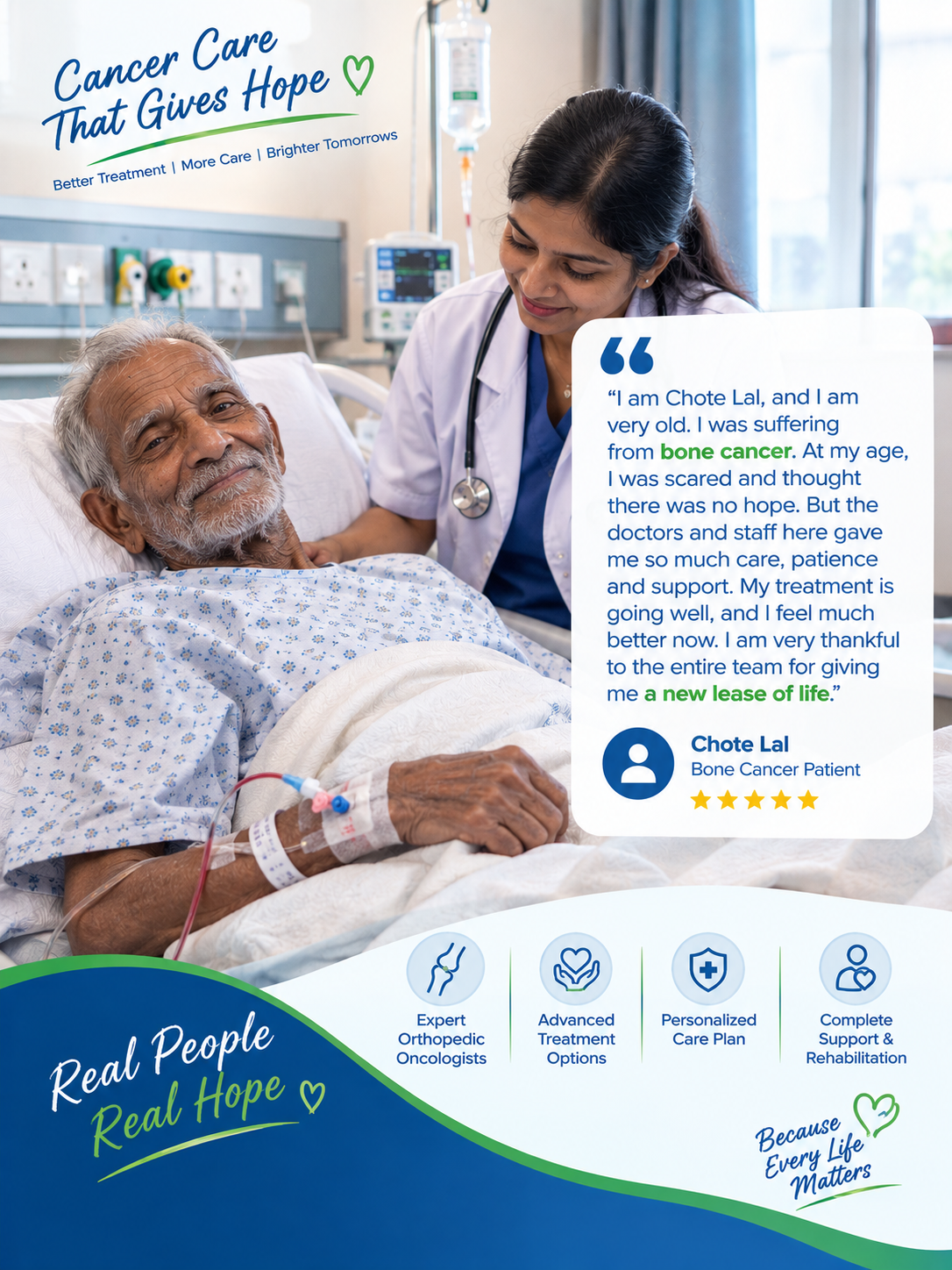 Chote Lal
 Nikeeta Singh
Straight answers to what patients and families ask most.
It is often found late because early symptoms are vague. Prompt evaluation of jaundice or unexplained weight loss is important.
It is a major operation that removes the head of the pancreas and nearby structures. It is performed by specialist HPB surgeons.
Some patients do, and our dietitians guide the dosage and diet.
No referral is needed. You can book an appointment directly through the enquiry form or by calling our helpline, and our care team will guide you on the next steps.
Fill in the enquiry form on this page or call us. Our patient care coordinator will call you back and fix a convenient time with the right specialist.