
Cytoreductive Surgery
Removes as much visible cancer as possible in the abdomen and pelvis.

Fill in your details and our care team will call you back shortly.
Comprehensive care for
Dedicated gynae-oncology programme for early and advanced ovarian cancer.
Karuna Cancer Centre offers advanced treatment for cancer, Cancer is a disease in which abnormal body cells multiply rapidly. Even if cancer spreads to other parts of the body, it is usually named after the location of the body where it originates first.
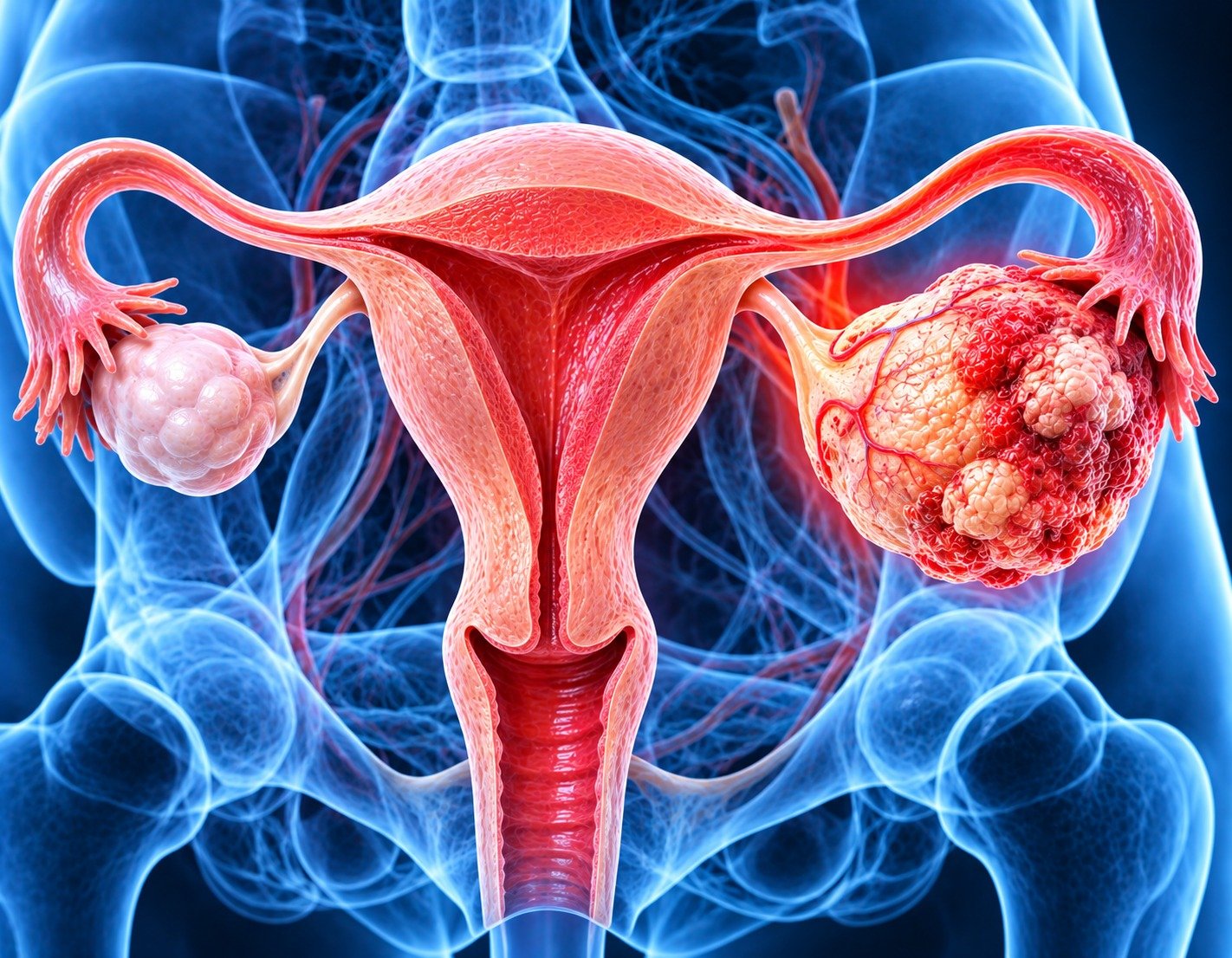
Ovarian cancer is a group of diseases that develops in the ovaries and/or spread to the fallopian tubes and peritoneum. The peritoneum is the tissue lining that surrounds the abdominal organs.
Treatment is most effective when in early stages of ovarian cancer. Karuna Cancer Care takes care of all the signs and symptoms and performs best treatment with highly skilled specialists and advanced treatment options.
Ovarian cancer is the abnormal development of cells in the ovaries. Women have two ovaries on either side of the uterus in the pelvic region. Ovaries produce female hormones estrogen and progesterone and also eggs for reproduction. There are two long and slender fallopian tubes on each side of the uterus which transport eggs from the ovaries to the uterus.
Ovarian malignancies can originate in several different tumour types. It is classified into four stages, denoted by the Roman numbers I to IV. The earliest stage of cancer indicates that it is localized to the ovaries. When the cancer reach fourth stage, cancer spreads to other body parts. High-grade serous carcinoma is the most widespread tumor type, accounting for almost 70% of all ovarian cancer cases.
Ovarian cancer can occur in anyone with ovaries, which includes women, trans males, non-binary people, and intersex people.
You have a higher chance of ovarian cancer if you:
Ovarian cancer affects one in every 70 women at some point in their lives. The symptoms are often modest, Which makes the most cases are diagnosed at an advanced stage.
Ovarian cancer treatment depends on:
The size and type of ovarian cancer.
The location of the tumor.
The severity of the disease.
The general well-being of the patient.
Tumour board where surgical, medical and radiation oncologists review every case together
Diagnosis, treatment and follow-up available under one roof
Personalised treatment plan based on the exact type and stage
24x7 emergency response, ICU and in-house blood bank
Compassionate, affordable care with a dedicated patient coordinator
Second opinions and regular follow-up visits explained in plain language
Choose an area to see how our team approaches it.
Cytoreductive surgery aimed at removing all visible disease.
Chemotherapy and maintenance targeted therapy.
BRCA testing and advice for the patient and family.
Options for selected young women with early disease.
Nutrition, pain relief and emotional support.
Your plan may use one or a combination of these, decided together by your care team.
Removes as much visible cancer as possible in the abdomen and pelvis.
Usually a platinum-based combination, given before or after surgery.
Tablets taken after chemotherapy to delay recurrence in suitable patients.
Considered in carefully selected early cases.
Relief from symptoms such as fluid build-up and pain.
These signs do not always mean cancer, but they should be checked by a doctor.
Early evaluation gives you more treatment options. Speak to a specialist today.
Accurate diagnosis and staging come first, so treatment is matched to your exact condition.
First-line tests to look for an ovarian mass.
Blood tests that support diagnosis and monitoring.
Show the extent of disease in the abdomen.
Confirms the diagnosis and assesses spread.
CT, MRI, PET-CT and pathology are available in-house for faster reporting.
What to expect, from your first visit to long-term follow-up.
You meet the oncologist, share your history and reports, and ask every question you have.
The right tests confirm the diagnosis and show how far the disease has spread.
Specialists from every discipline agree on one plan, and your doctor explains it to you.
Surgery, medicines, radiation or a combination, with supportive care alongside.
Regular check-ups, rehabilitation and counselling to keep you well.
Experienced doctors who will guide your treatment.
Recovery journeys in our patients own words.
 Ankit Singh
 Sunita Singh
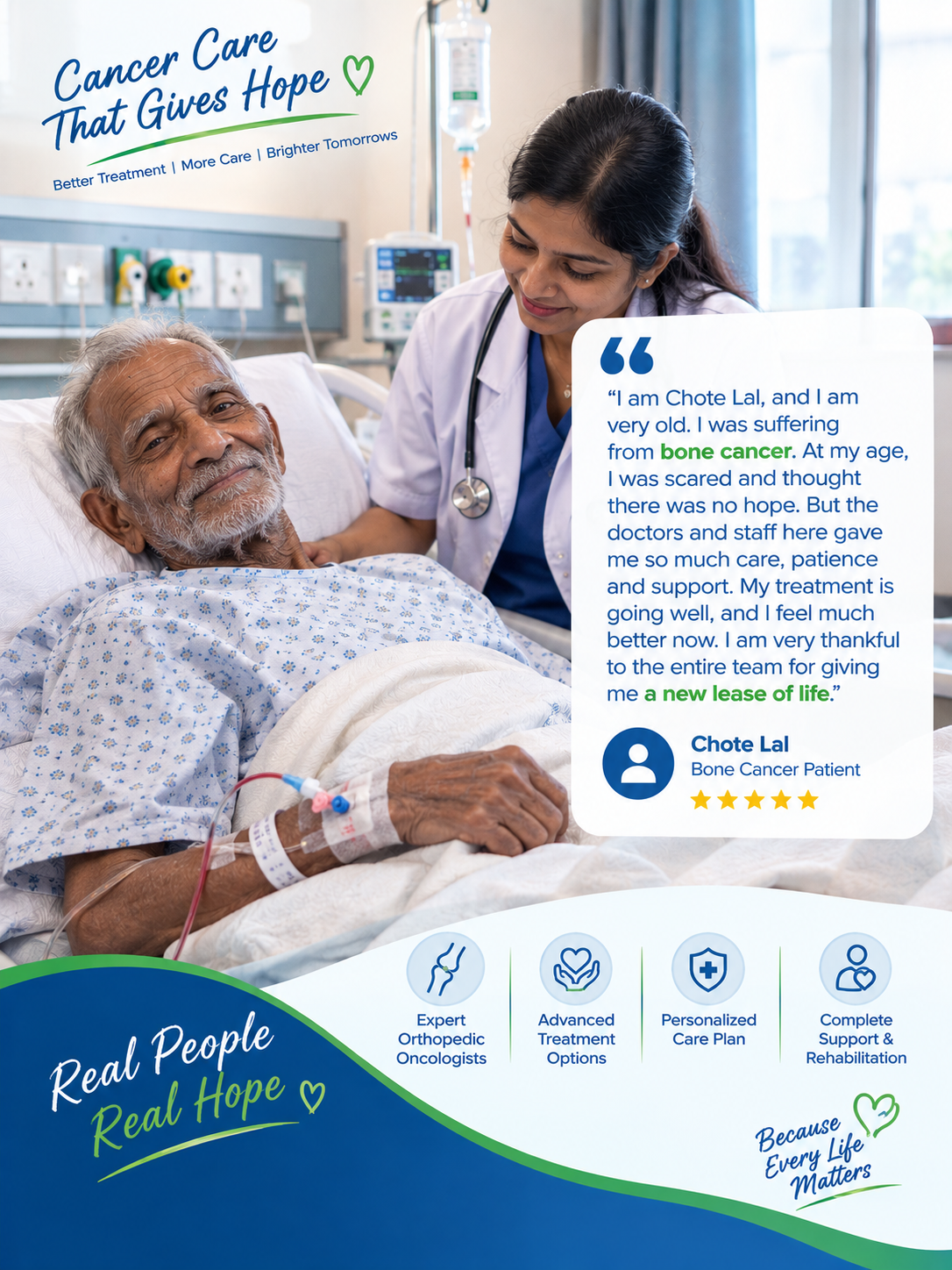 Chote Lal
 Nikeeta Singh
Straight answers to what patients and families ask most.
There is no reliable routine screening test, so paying attention to persistent symptoms is important.
If genetic tests show a BRCA change, close relatives may benefit from counselling and testing.
In selected early cases, fertility-sparing surgery is possible. Discuss this with your doctor before treatment.
No referral is needed. You can book an appointment directly through the enquiry form or by calling our helpline, and our care team will guide you on the next steps.
Fill in the enquiry form on this page or call us. Our patient care coordinator will call you back and fix a convenient time with the right specialist.