Laparoscopic & Robotic Surgery
Minimally invasive options for colon and rectal cancer where suitable.

Fill in your details and our care team will call you back shortly.
Comprehensive care for
Robotic and laparoscopic surgery options for colon and rectal cancer.
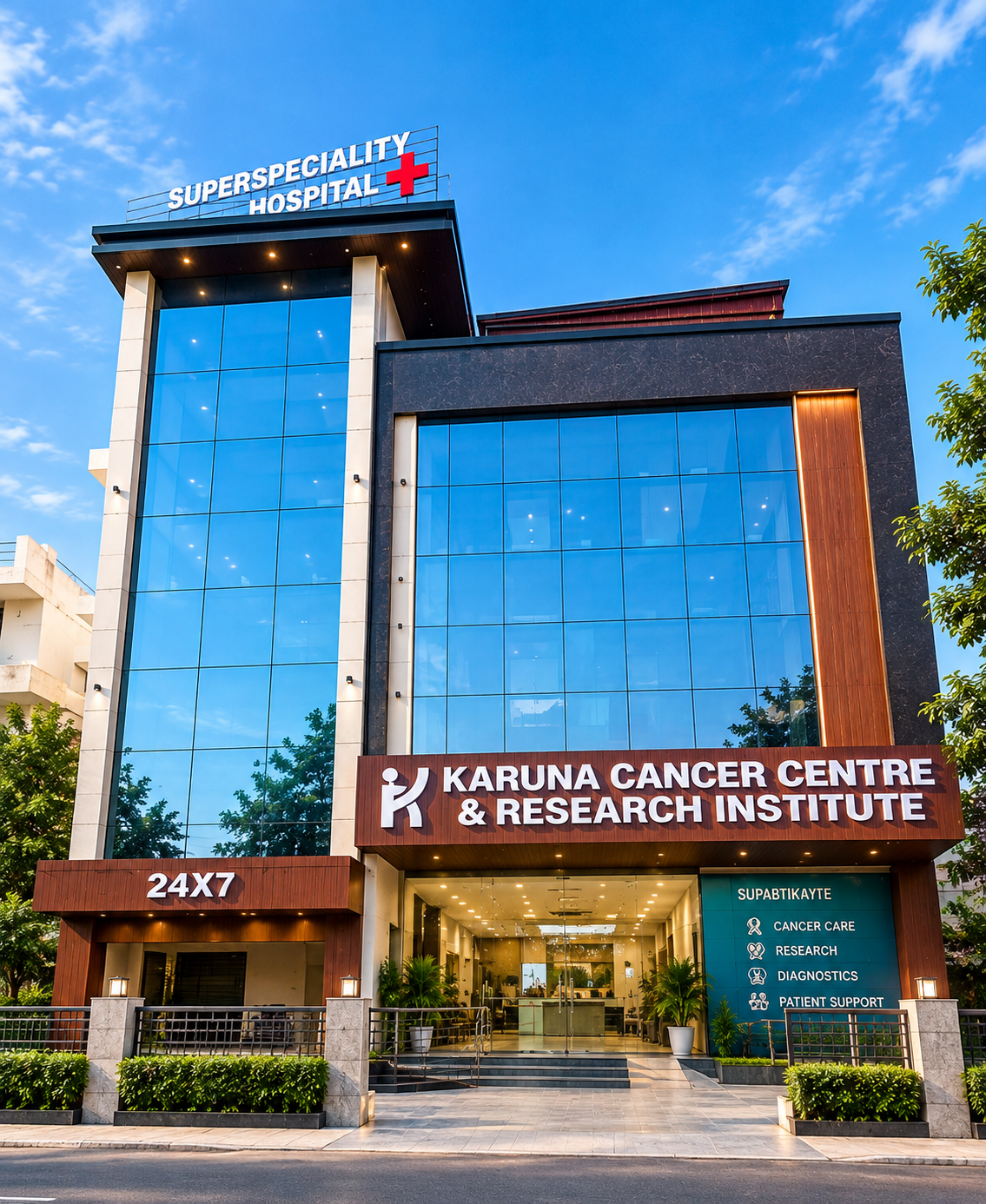
Karuna Cancer Centre offers comprehensive and personalized treatment for colorectal cancer, this is a type of cancer which affects the colon or rectum and is a multidisciplinary approach. Utilizing state-of-the-art medical technology, the Karuna Cancer Centre has a purpose of serving all the patients with the advanced technology treatment and compassion. Committed to excellence and compassionate care, the Karuna Cancer Centre strives to empower patients in their fight against colorectal cancer.
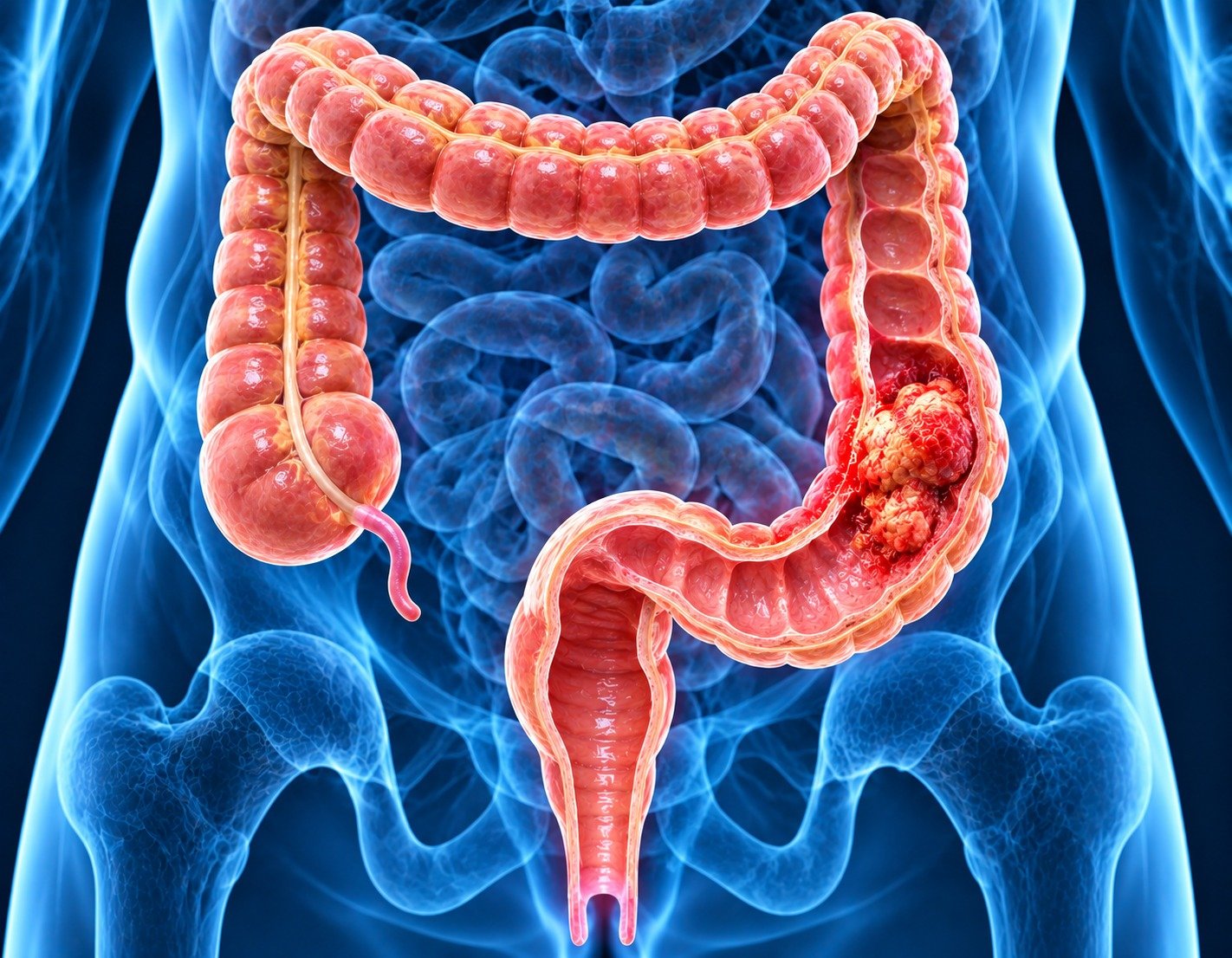
Colorectal cancer which is also known as colon cancer or rectal cancer. As the name suggests colorectal cancer affects the colon or rectum. It usually starts as a small growth or polyp on the inner lining of the colon or rectum, which if not treated turns cancerous if not removed. Treatment options for colorectal cancer includes surgery, radiation therapy, chemotherapy, targeted therapy and immunotherapy, which can significantly improve patient healing and disease management.
There are no exact causes known for colorectal cancer. But several factors may increase the risk of developing colorectal cancer:
If you notice any symptoms of colon cancer, you should see a doctor immediately. Additionally, you should talk to your doctor about when to start screening for colorectal cancer and how often it should depend on your individual risk factors screening.
There are stages in which it shows how weak or strong cancer cells are to determine what kind of treatment is required. The treatment ranges from surgery to chemotherapy.
Tumour board where surgical, medical and radiation oncologists review every case together
Diagnosis, treatment and follow-up available under one roof
Personalised treatment plan based on the exact type and stage
24x7 emergency response, ICU and in-house blood bank
Compassionate, affordable care with a dedicated patient coordinator
Second opinions and regular follow-up visits explained in plain language
Choose an area to see how our team approaches it.
Surgery and chemotherapy tailored to the stage.
Sphincter-preserving surgery and combined chemoradiation.
Organ-sparing treatment with chemoradiation.
Screening and removal of polyps before they turn cancerous.
Training and support if a stoma is needed.
Your plan may use one or a combination of these, decided together by your care team.
Minimally invasive options for colon and rectal cancer where suitable.
Rectal cancer surgery designed to avoid a permanent stoma when possible.
Radiation with chemotherapy to shrink rectal tumours before surgery.
Given after surgery or for advanced disease.
Chosen using gene tests on the tumour.
These signs do not always mean cancer, but they should be checked by a doctor.
Early evaluation gives you more treatment options. Speak to a specialist today.
Accurate diagnosis and staging come first, so treatment is matched to your exact condition.
The gold-standard test to see and sample the bowel lining.
Stage the tumour and check the liver and lymph nodes.
A marker used to monitor response to treatment.
Tumour gene tests that guide medicine choice.
CT, MRI, PET-CT and pathology are available in-house for faster reporting.
What to expect, from your first visit to long-term follow-up.
You meet the oncologist, share your history and reports, and ask every question you have.
The right tests confirm the diagnosis and show how far the disease has spread.
Specialists from every discipline agree on one plan, and your doctor explains it to you.
Surgery, medicines, radiation or a combination, with supportive care alongside.
Regular check-ups, rehabilitation and counselling to keep you well.
Experienced doctors who will guide your treatment.
Recovery journeys in our patients own words.
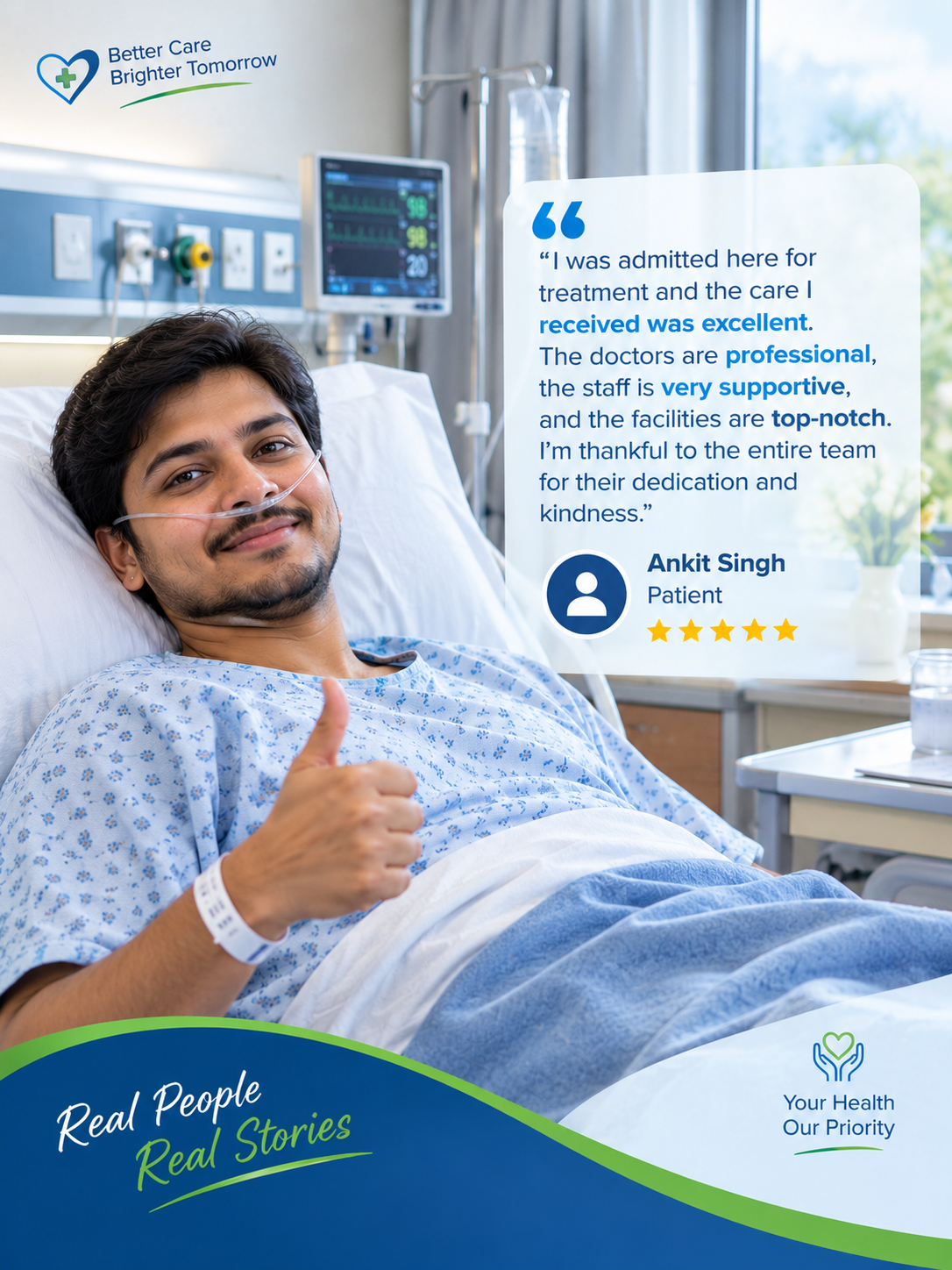 Ankit Singh
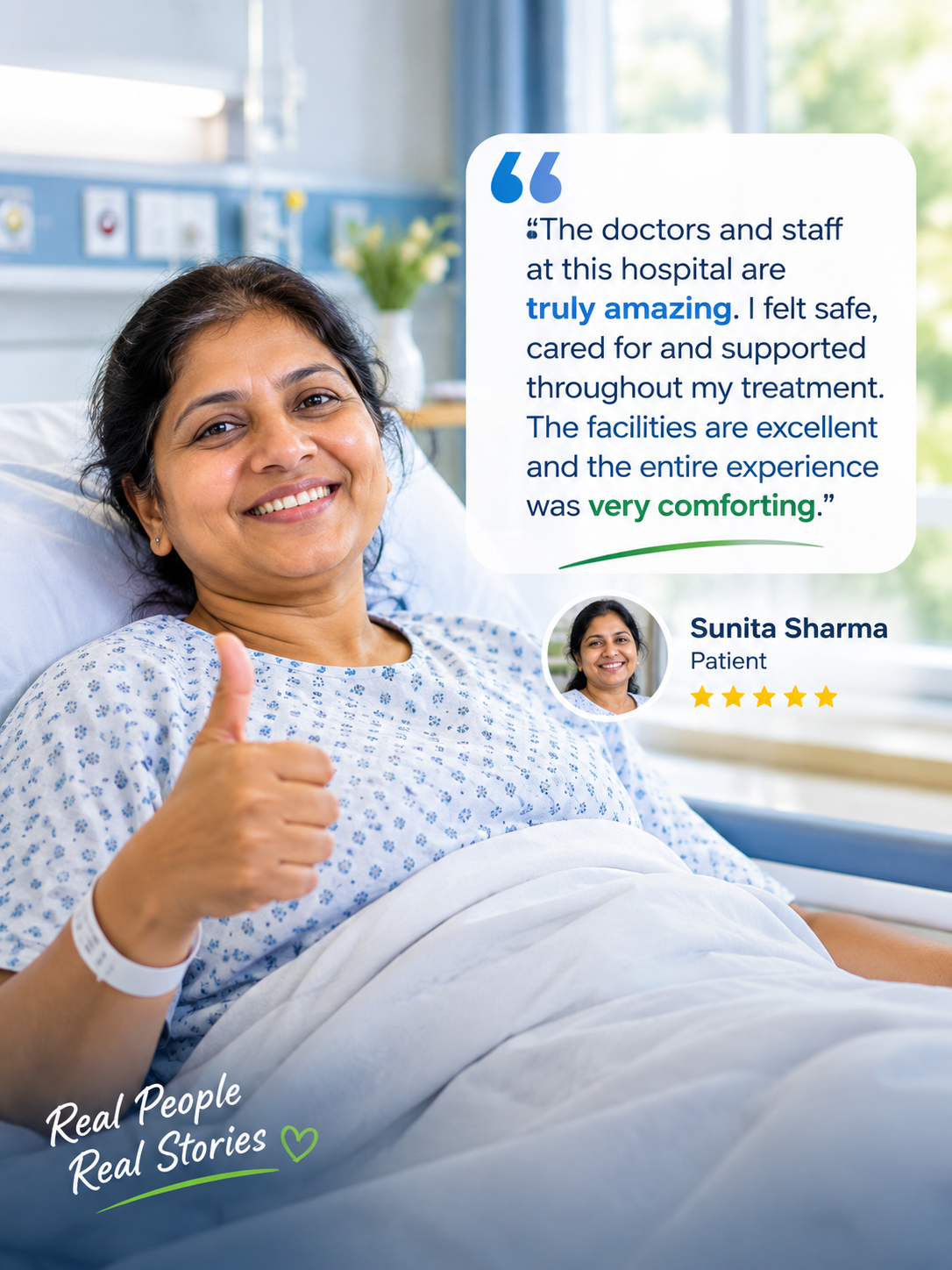 Sunita Singh
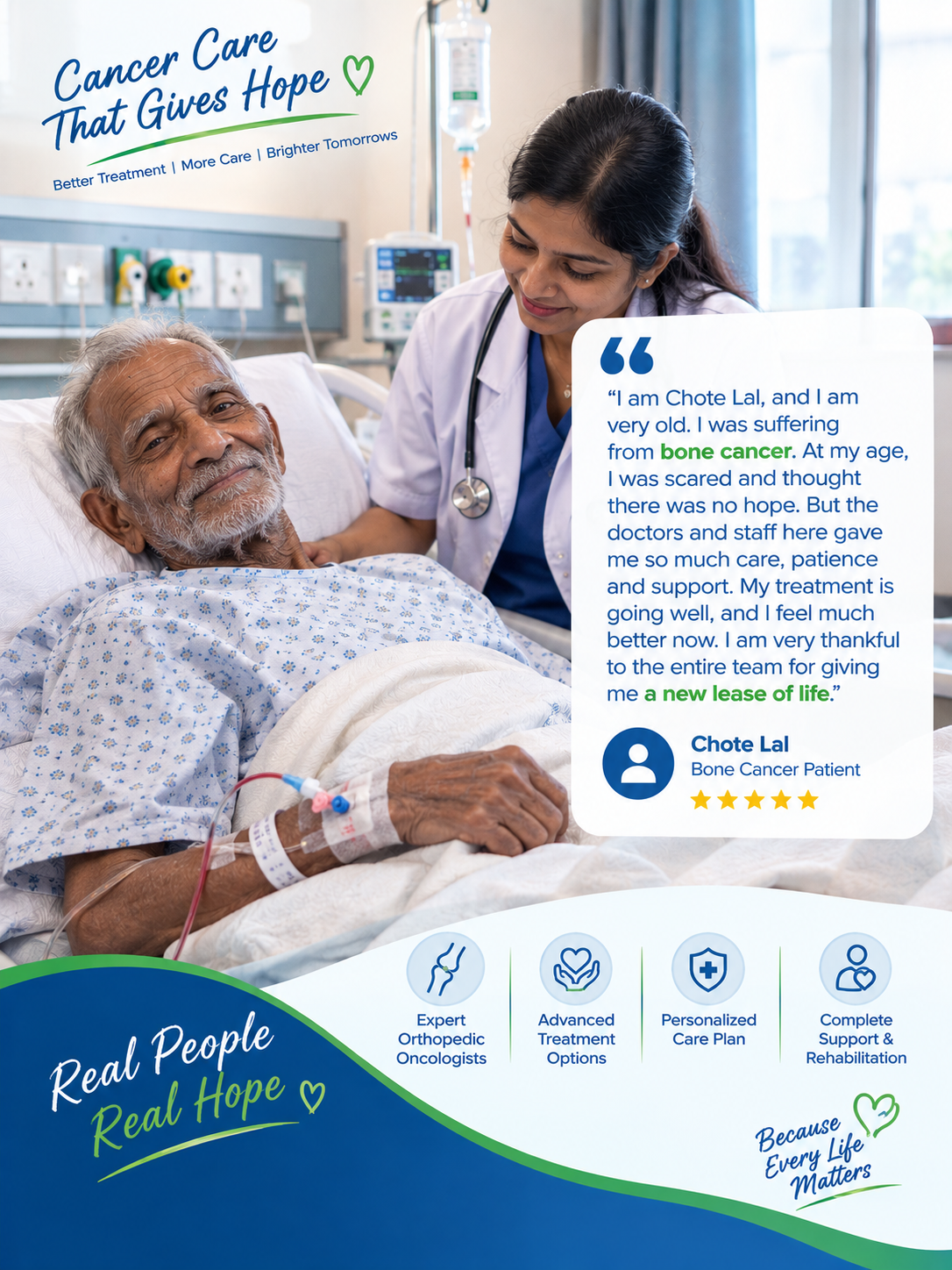 Chote Lal
 Nikeeta Singh
Straight answers to what patients and families ask most.
Not always. Bleeding should be checked by a doctor, especially after age 40 or with a change in bowel habits.
Many patients do not. When a temporary or permanent stoma is required, our team trains you and your family.
Yes. Polyps removed during colonoscopy can no longer turn into cancer.
No referral is needed. You can book an appointment directly through the enquiry form or by calling our helpline, and our care team will guide you on the next steps.
Fill in the enquiry form on this page or call us. Our patient care coordinator will call you back and fix a convenient time with the right specialist.